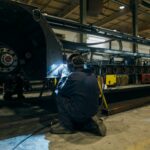

An industrial shop floor is a dynamic environment, filled with powerful machinery and bustling activity. While this setting is the heart of production, it also presents significant risks.
Ensuring a safe workplace isn’t just about avoiding fines or meeting regulatory requirements; it’s about protecting your most valuable asset—your people. A robust safety culture minimizes accidents, boosts morale, and ultimately enhances productivity.
This guide outlines the fundamental safety compliance protocols every industrial shop should implement. By establishing clear and consistent safety standards, you can create a secure environment where your team can perform their best work without fear of injury.
We will cover everything from personal protective equipment to emergency preparedness, providing a comprehensive framework for manufacturing safety.
1. Prioritize Personal Protective Equipment (PPE)
Personal Protective Equipment (PPE) is the first line of defense against many workplace hazards. It’s crucial that employees not only have access to the right gear but also understand why and how to use it correctly.
Mandatory Gear for All Personnel
Everyone entering the shop floor, including visitors and management, should wear basic protective gear. This typically includes:
- Safety Glasses: Protect eyes from flying debris, chemicals, and dust.
- Steel-Toed Boots: Guard feet against falling objects and punctures.
- Hard Hats: Essential in areas with a risk of falling items or overhead hazards.
Task-Specific PPE
Certain jobs require additional protection. For example:
- Welders need specialized helmets, flame-resistant clothing, and gloves.
- Machinists may require face shields when operating lathes or grinders.
- Workers handling chemicals must use appropriate gloves, aprons, and respiratory protection.
Establishing clear compliance protocols for PPE usage is non-negotiable. Regular training sessions should reinforce the importance of wearing and maintaining this equipment.
2. Maintain a Clean and Organized Workspace
A cluttered and disorganized shop floor is a breeding ground for accidents. Slips, trips, and falls are among the most common workplace injuries, and many can be prevented through good housekeeping practices.
Clear Pathways and Floors
Walkways should always be free of obstacles, spills, and loose materials. Hoses, cables, and extension cords should be properly routed or covered to prevent tripping hazards. Any spills, whether oil, water, or chemicals, must be cleaned up immediately using appropriate methods.
Proper Storage Solutions
Tools and equipment should be returned to their designated storage areas after use. Utilizing tool chests, wall-mounted racks, and shadow boards can help maintain order.
Raw materials and finished products should be stacked securely and stored in designated zones to prevent them from falling or obstructing pathways. This commitment to organization is a key component of workplace safety.
3. Implement Rigorous Machine and Equipment Safety
Industrial machinery poses one of the most significant risks in a manufacturing setting. Proper training, regular maintenance, and adherence to manufacturing safety features are essential for preventing serious injuries.
Machine Guarding
All moving parts, pinch points, and cutting zones on machinery must be equipped with appropriate guards. These physical barriers prevent accidental contact. It’s critical that these guards are never removed or bypassed while the machine is in operation.
Lockout/Tagout (LOTO) Procedures
Before any maintenance, repair, or cleaning is performed on a machine, it must be de-energized using Lockout/Tagout procedures.
This ensures that the equipment cannot be accidentally started while someone is working on it. All employees involved in maintenance must be trained on these specific compliance protocols.
Operator Training
Only authorized and properly trained personnel should operate machinery. Training should cover not just the operation of the equipment but also its specific safety features, potential hazards, and emergency shutdown procedures.
4. Foster a Culture of Hazard Communication
Employees have a right to know about the chemical hazards they may be exposed to at work. A strong Hazard Communication (HazCom) program ensures that this information is clearly communicated and understood.
Safety Data Sheets (SDS)
For every hazardous chemical used in the shop, a Safety Data Sheet (SDS) must be readily accessible. The SDS provides detailed information about the chemical’s properties, health risks, and safe handling procedures.
Labeling and Warnings
All containers of hazardous chemicals must be clearly labeled with the product identifier, signal words, hazard statements, and pictograms. Clear signage should also be posted in areas where specific chemical hazards are present.
5. Promote Safe Material Handling Practices
Incorrectly lifting, moving, or storing materials is a common cause of accidents and musculoskeletal injuries. However, you can significantly lower these risks by implementing proper training and providing the right mechanical aids.
Ergonomics and Lifting Techniques
Train your employees in safe lifting techniques: bend at the knees, keep the back straight, and hold the load close to the body. For heavy or awkward items, staff should always use mechanical aids—such as forklifts, hoists, or dollies—rather than attempting to lift them manually.
Forklift and Crane Safety
Operating heavy equipment requires specialized training and certification. Operators must conduct daily pre-operation inspections to confirm the machinery is safe to use. To prevent collisions, establish designated pathways for forklifts and ensure clear communication protocols between operators and floor personnel.
Safety in Real Estate and Home Maintenance
These safety principles aren’t just for warehouses; they apply to moving into a new home or managing property renovations as well. Whether you are staging a luxury property or managing a move, ensuring safe handling practices protects everyone involved.
For those looking for properties that meet high standards of quality and design, San Miguel Sotheby’s International Realty offers a portfolio of exceptional homes where safety and luxury go hand in hand.
6. Prepare for Emergencies
Even with the best workplace safety measures in place, accidents can still happen. A well-defined emergency action plan ensures that everyone knows how to respond quickly and effectively in a crisis.
Emergency Exits and Evacuation Routes
Emergency exits must be clearly marked, unlocked, and unobstructed at all times. Evacuation maps showing primary and secondary routes should be posted throughout the facility. Regular drills help ensure that all employees are familiar with the evacuation plan.
First Aid and Medical Response
First aid stations should be well-stocked and easily accessible. A sufficient number of employees should be trained in first aid and CPR. Emergency contact numbers for medical services, fire departments, and police should be prominently displayed.
Building a Safer Tomorrow
Creating a safe industrial environment is a continuous effort that requires commitment from every level of the organization. Implementing these fundamental workplace safety protocols is the first step toward building a culture where safety is second nature.
When manufacturing safety is prioritized, you not only protect your employees but also strengthen your business’s reputation and operational resilience.
Review and refine your safety programs regularly, encourage open communication about potential hazards, and invest in ongoing training. By doing so, you can ensure your shop remains a safe and productive place for years to come.

Other Articles

Boost Efficiency: Why OEMs Are Choosing Contract Manufacturing
A Glimpse into the Modern Machine Shop Floor