
Packaging has never been more consequential. Across pharmaceuticals, food and beverage, and consumer goods, the pressure to move faster, reduce waste, and meet ever-stricter regulatory standards is intensifying. Manufacturers that once relied on manual processes or aging equipment are now facing a clear choice: adapt or fall behind.
At the center of this shift is a quiet but powerful revolution in packaging machinery. Smarter automation, more flexible systems, and data-driven production lines are transforming what packaging can do—and what it should look like. The question is no longer whether to modernize, but how to do it without disrupting existing operations or overextending capital investment.
This post explores the key forces shaping the future of packaging innovation, from pharma packaging precision to food & beverage automation, and how forward-thinking companies like Mpac Group are helping manufacturers stay first-to-market with solutions built for the long haul.
How Automation Is Redefining Packaging Efficiency
The case for automation in packaging is no longer theoretical—it’s operational. Plants that have made the shift report measurable gains in throughput, consistency, and cost control. But the transformation goes deeper than replacing manual labor with machines.
Modern packaging automation integrates real-time monitoring, adaptive controls, and predictive maintenance into unified systems. Rather than reacting to downtime after the fact, operators can identify potential failures before they happen. That shift—from reactive to proactive—is one of the most significant changes automation has introduced to the industry.
What Does Modern Packaging Automation Actually Look Like on the Production Floor?
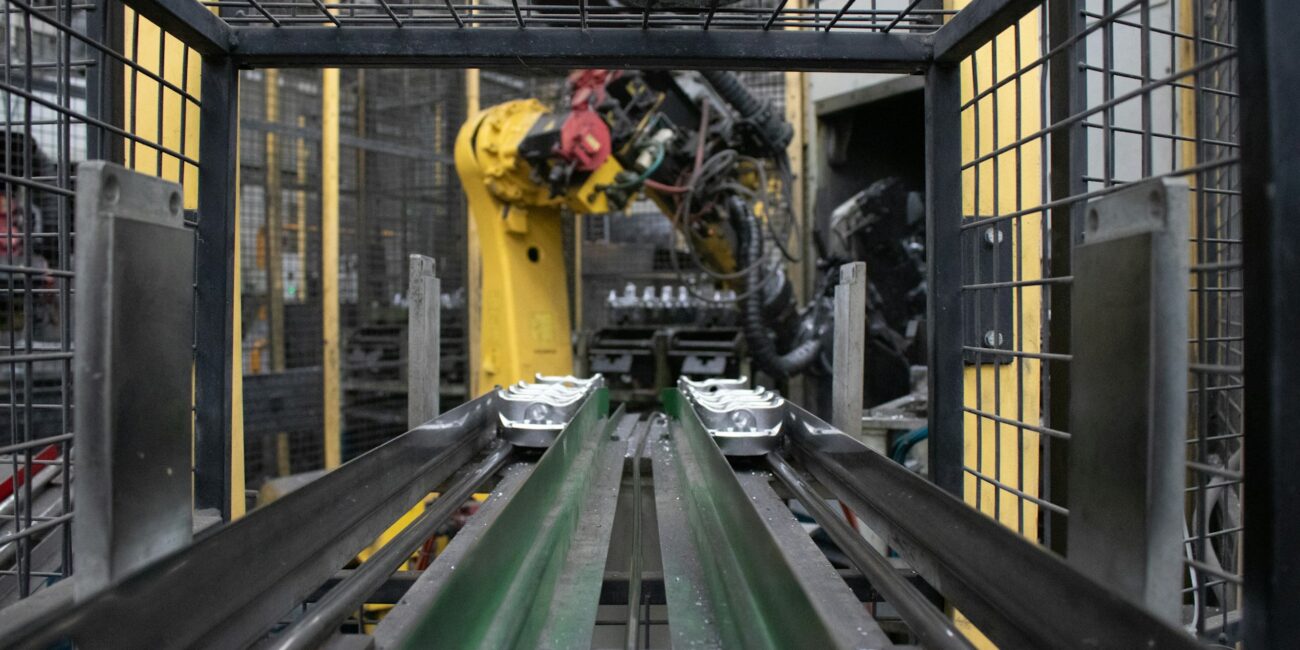
In practice, automation looks different depending on the sector and scale of operation. For high-volume food and beverage producers, it might mean fully integrated cartoning lines capable of handling multiple SKUs without extended changeover times. For pharmaceutical manufacturers, it means precision-dosing equipment paired with serialization and track-and-trace capabilities that meet global regulatory requirements.
What unifies these applications is an emphasis on reliability and adaptability. The best systems are not just fast—they’re flexible enough to accommodate product changes, packaging format variations, and shifting market demands without requiring complete system overhauls.
The Growing Complexity of Pharma Packaging
Few sectors face more scrutiny than pharmaceuticals. Pharma packaging must protect product integrity, comply with international regulatory frameworks, and increasingly, provide tamper evidence and authentication capabilities that protect patients and brands alike.
The stakes are high. A packaging failure in pharma doesn’t just mean returned product—it can mean patient harm, regulatory action, or significant brand damage. This is why pharma manufacturers are investing heavily in systems that deliver both precision and compliance by design, rather than as an afterthought.
Why Is Serialization Becoming Standard in Pharmaceutical Packaging Lines?
Serialization—assigning a unique identifier to each saleable unit—has moved from optional to mandatory across many global markets. The EU Falsified Medicines Directive and the US Drug Supply Chain Security Act (DSCSA) are among the most prominent regulatory drivers, requiring pharmaceutical companies to track and trace products through the entire supply chain.
Meeting these requirements demands more than a software upgrade. It requires packaging machinery that can apply, verify, and record unique codes at high speeds without compromising line efficiency. Integration between packaging equipment and enterprise-level data systems is now a baseline expectation, not a premium feature.
Food & Beverage Automation: Speed, Safety, and Flexibility
The food and beverage sector operates on thin margins and tight timelines. Consumer tastes shift quickly, seasonal demand creates volume spikes, and food safety regulations set a floor below which no operation can fall. For producers navigating all three simultaneously, food & beverage automation has become a strategic priority rather than a capital expenditure decision.
Speed matters, but it’s not the only variable. A line that runs fast but can’t switch between product formats efficiently will lose time and money the moment a new SKU enters the portfolio. Flexibility is increasingly treated as a core performance metric—not a secondary consideration.
How Are Food Producers Balancing Automation With Product Variety?
The challenge is real: more automation typically means more specialization, which can make product variation harder to manage. Manufacturers are addressing this through modular machine architectures that allow individual components to be reconfigured or replaced without rebuilding an entire line.
Quick-changeover tooling, recipe-driven control systems, and format-agnostic handling mechanisms are becoming standard on leading packaging machinery. These features allow producers to run short batches economically, respond to retailer requests faster, and bring new products to market without the downtime that rigid systems would require.
Sustainability as a Design Principle in Packaging Machinery
Environmental accountability has moved up the agenda for packaging decision-makers. Retailers, regulators, and consumers are all exerting pressure on manufacturers to reduce material use, cut energy consumption, and design packaging that can be recycled or composted at end of life.
This creates a direct challenge for packaging machinery suppliers. Equipment designed around conventional materials may struggle to handle sustainable alternatives—lightweight films, paper-based formats, and bio-based materials all behave differently under tension, heat, and mechanical stress. Machines that can’t adapt to these materials will constrain a manufacturer’s ability to meet sustainability commitments.
What Role Does Packaging Equipment Play in Supporting Sustainable Materials?
The equipment itself is part of the sustainability equation. Energy-efficient drives, servo-controlled mechanisms, and optimized sealing technologies all contribute to lower energy consumption per unit produced. Beyond energy, machines that minimize material waste—through accurate dosing, precise forming, and reduced off-spec rejection—directly support sustainability targets.
Forward-looking packaging machinery suppliers are building sustainability considerations into their design process from the start. That means testing equipment compatibility with a range of sustainable substrates and designing systems that can be updated as new materials become viable at commercial scale.
The Role of Data and Connectivity in Packaging Operations
Manufacturing environments generate enormous volumes of data. Historically, most of it went unused—captured by sensors and control systems but never analyzed in ways that drove meaningful decisions. That dynamic is changing rapidly as connectivity and analytics capabilities become embedded in packaging machinery itself.
The broader movement toward Industry 4.0 has introduced a new vocabulary to packaging operations: OEE (Overall Equipment Effectiveness), digital twins, and cloud-based dashboards are now common topics in discussions about packaging line performance. The underlying goal is straightforward—use data to make better decisions, faster.
How Does Connected Packaging Equipment Improve Production Outcomes?
Connected packaging machinery allows operators and managers to see line performance in real time, benchmark production metrics against historical data, and receive alerts when equipment behavior deviates from expected parameters. The practical benefits include earlier fault detection, more accurate maintenance scheduling, and clearer visibility into where efficiency losses occur.
At a strategic level, access to granular production data supports better capacity planning, more accurate costing, and faster identification of bottlenecks. For manufacturers operating multiple sites, centralized data platforms also enable cross-site performance comparisons that would be difficult or impossible to achieve without connected equipment.
Partnering for Long-Term Packaging Success
Purchasing packaging machinery is not a transactional decision. The relationship between a manufacturer and its equipment supplier typically spans years—through installation, commissioning, operator training, routine maintenance, and eventual upgrades. The quality of that ongoing relationship often matters as much as the specifications of the machine itself.
Manufacturers increasingly look for suppliers who understand their sector, can provide engineering support through the project lifecycle, and offer service capabilities that minimize downtime when problems occur. A technically superior machine from a supplier with poor aftermarket support can deliver worse outcomes than a comparable machine backed by a strong service team.
What Should Manufacturers Look for When Selecting a Packaging Machinery Partner?
Several factors distinguish suppliers who can deliver lasting value from those who excel only at the initial sale:
- Sector expertise: Understanding the specific demands of pharma packaging or food & beverage automation goes beyond catalog knowledge. It requires application experience and familiarity with the regulatory context in which manufacturers operate.
- Engineering depth: Complex projects require suppliers with the engineering resources to customize solutions, troubleshoot integration challenges, and support validation where regulatory requirements apply.
- Scalability: Equipment that meets today’s needs should also accommodate tomorrow’s growth. Modular platforms and upgrade pathways reduce the risk of premature obsolescence.
- Service network: Rapid response to breakdowns and access to spare parts are non-negotiable for operations where downtime has a direct cost impact.
- Proven track record: References, case studies, and demonstrable project outcomes provide more reliable signals of capability than marketing materials alone.
Building a Packaging Operation That’s Ready for What’s Next
Packaging innovation is not a destination—it’s an ongoing process. The manufacturers who perform best over time are those who treat their packaging operations as strategic assets, investing in equipment, talent, and supplier relationships that can adapt as conditions change.
The convergence of automation, data connectivity, sustainability, and regulatory complexity is creating both pressure and opportunity. Pressure for operations that can’t keep up; opportunity for those willing to modernize thoughtfully and partner with suppliers who bring genuine expertise to the table.
Mpac Group represents the kind of specialist capability that manufacturers in pharma, food and beverage, and adjacent sectors increasingly need—a partner that combines deep engineering knowledge with a commitment to helping clients stay ahead of the competition, not just meet today’s minimum requirements.
Whether you’re evaluating your first automated packaging line or looking to upgrade legacy equipment, the most important step is starting the conversation with the right people. Scalable, robust solutions are available—the question is finding a partner equipped to deliver them.

Other Articles